Shockwave Therapy for Achilles Tendinitis: A Complete Overview
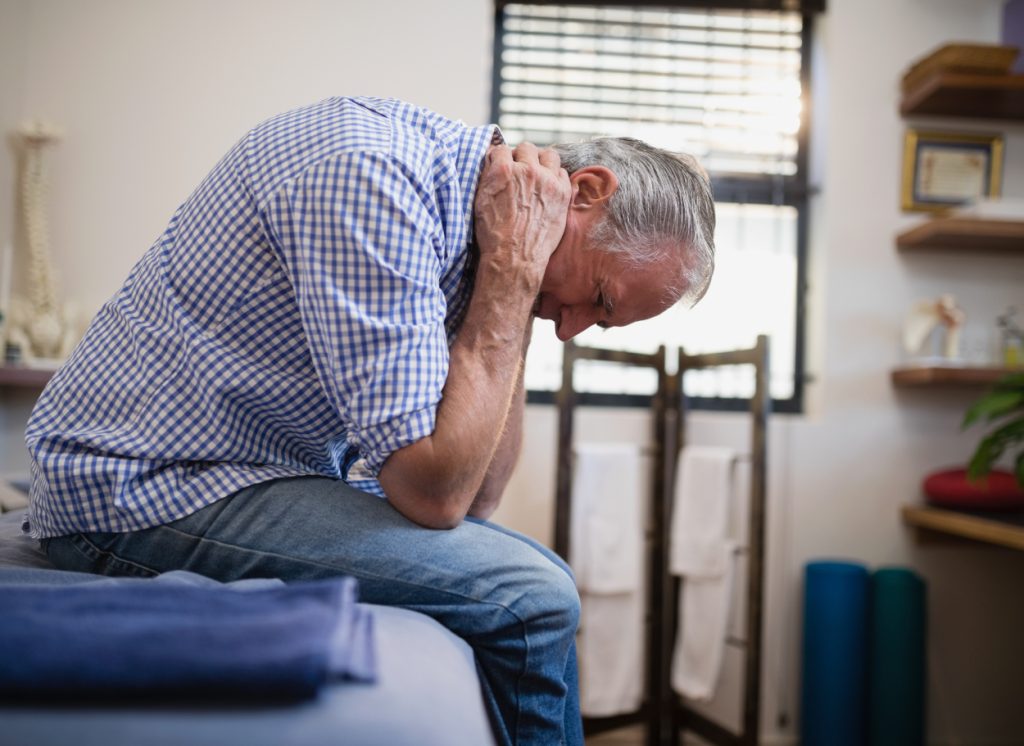

Achilles pain has a way of shrinking a person’s world. At first it is a twinge stepping out of bed, a bit of stiffness at the start of a run, or an ache at the back of the heel after a long day on your feet. Then it begins to dictate choices. You cut walks short, skip training sessions, avoid stairs, and find yourself thinking about every curb and incline. For athletes, active adults, and people whose jobs keep them moving, Achilles tendinitis can become stubborn and frustrating.
Shockwave Therapy has become a common option in that setting, especially when rest, exercise, and time have not solved the problem. It is often presented as a modern, non-surgical treatment, but the real question patients ask is simpler: does it help, and for whom? The answer is often yes, but not in every case, and not as a stand-alone miracle. The best results usually come when it is used thoughtfully, in the right patient, at the right stage of the condition, and alongside a solid loading program.
A complete overview has to start with a small correction in language. Many people say “Achilles tendinitis,” implying acute inflammation. In practice, long-standing Achilles pain is more often tendinopathy, meaning a combination of tendon degeneration, disorganized collagen, failed healing, and sometimes some inflammation around the tissue. That distinction matters because chronic tendon pain rarely improves with anti-inflammatory strategies alone. It typically responds better to progressive mechanical loading, activity modification, and in selected cases, Shockwave Therapy.
Understanding the Achilles tendon problem
The Achilles tendon is the thick cord connecting the calf muscles to the heel bone. It transmits substantial force during walking, running, jumping, and climbing. Even in ordinary gait, the loads are significant. During running and jumping, they become far greater. That is why this tendon tolerates a lot, but also why small errors in training, recovery, footwear, or biomechanics can eventually catch up with it.
Clinically, Achilles tendinopathy tends to appear in two common patterns. Mid-portion pain occurs a few centimeters above the heel bone. Insertional pain occurs where the tendon attaches to the heel. Those two patterns can feel similar to a patient, but they often behave differently and may respond differently to exercise choices and other treatments.
A runner increasing hill work too quickly may develop a classic morning stiffness and mid-portion tenderness. A middle-aged recreational tennis player might feel pain right at the heel insertion, especially in rigid shoes or after repeated stop-start movement. A warehouse worker can develop symptoms without playing sports at all, simply from long hours on hard surfaces, repetitive lifting, and poor recovery. The tendon does not care whether the overload came from a marathon block or a physically demanding shift.
Acute Achilles irritation may settle with relative rest and smart training changes. Chronic symptoms are another story. Once pain has lingered for months, the tendon often needs a more structured plan. That is the group in which Shockwave Therapy is most often discussed.
What Shockwave Therapy actually is
Shockwave Therapy uses high-energy acoustic waves delivered to the painful tissue through the skin. The treatment head is placed over the tendon area, usually with gel, and a machine sends pulses into the region. Depending on the device, the therapy may be described as focused shockwave or radial pressure wave treatment. People often group both under the same umbrella in everyday practice, although the technology and tissue penetration differ.
The word “shockwave” can make it sound aggressive. In reality, treatment sessions are usually short and done in an outpatient setting without incisions or sedation. Patients stay awake, walk in, walk out, and resume most normal daily activity the same day. The sensation is typically uncomfortable rather than unbearable. Some describe it as a rapid tapping or snapping feeling, concentrated over the tender spot.
The proposed effects are not as simple as “breaking up scar tissue,” which is a phrase patients still hear and one that oversimplifies what is happening. The treatment appears to stimulate a healing response through several mechanisms, including changes in local blood flow, effects on pain signaling, and promotion of tissue remodeling. The research is not perfect on every microscopic detail, but clinically the treatment has enough evidence behind it that many orthopedic, sports medicine, and rehabilitation professionals consider it a legitimate non-surgical option for chronic tendon conditions.
When Shockwave Therapy tends to make sense
Shockwave Therapy is rarely the first thing used for a sore Achilles that started two weeks ago. Early cases often improve with a combination of load reduction, calf strengthening, and better training decisions. Where shockwave enters the conversation is usually later, when the symptoms have become persistent.
In practical terms, it is most often considered when pain has lasted at least several weeks to a few months, especially if a patient has already tried a competent rehabilitation plan and has plateaued. That plateau matters. Plenty of people have technically “tried physio” but never actually completed a progressive tendon loading program. Others stopped exercises after ten days because they still felt stiff. Tendons are slow to change, and rehabilitation often takes weeks to months. Shockwave tends to work best as part of that longer process, not as a substitute for it.
There are a few scenarios where clinicians commonly lean toward it. One is the runner with chronic mid-portion Achilles pain who improved partly with eccentric or heavy slow resistance training, but still cannot return to desired mileage. Another is the patient with insertional symptoms who cannot tolerate aggressive loading early on because the tendon is too irritable. A third is the person who has done “all the right things” for three to six months and remains stuck.
What a treatment course usually looks like
Protocols vary by clinic and machine, but most people receive a series of sessions rather than one isolated treatment. Three to five sessions is common, often spaced about a week apart. Some clinicians adjust energy levels gradually depending on tolerance and location of pain. Mid-portion tendons may be treated somewhat differently than insertional tendons because the anatomy and sensitivity differ.
Patients often ask whether it works immediately. Sometimes a person feels looser or less painful within a week or two, but that is not the typical benchmark. Improvement is often gradual. A realistic time frame is several weeks, with fuller benefit showing up over one to three months after the treatment course, especially when paired with an exercise plan. If someone expects to walk out pain-free after a single session, disappointment is likely.
The session itself is straightforward. The clinician identifies the symptomatic area, applies gel, positions the applicator, and delivers a set number of pulses. The total visit may be brief, though the discussion around diagnosis, load management, and exercise matters at least as much as the machine time. That point is easy to miss. A poor diagnosis plus an expensive machine is still poor care.
How effective is it?
The evidence for Shockwave Therapy in Achilles tendinopathy is reasonably encouraging, though not absolute. Studies and systematic reviews generally suggest it can reduce pain and improve function in chronic Achilles tendinopathy, particularly when combined with exercise-based rehabilitation. The effect is not universal, and some studies show stronger benefit than others, partly because protocols differ and patient groups are not identical.
What tends to hold up best in real practice is this: the treatment is not magic, but it can be a useful accelerator for the right patient. Patients with chronic symptoms often report a reduction in morning stiffness, less pain during daily walking, and improved tolerance to loading over the following weeks. Those are meaningful gains, especially if they allow someone to restart a proper strengthening program or return gradually to sport.
The biggest mistake is viewing the treatment as a replacement for mechanical loading. Tendons adapt to load. If a patient receives shockwave but never restores calf strength, tendon capacity, and graded exposure to activity, the long-term result is often incomplete. On the other hand, if a patient has been diligent with exercise and still cannot break through a plateau, Shockwave Therapy may provide the extra push needed.
The role of exercise, which often matters more than the machine
Experienced clinicians tend to judge Achilles cases not only by pain level, but by tendon capacity. Can the person perform single-leg calf raises? How many? Is there asymmetry? Can they tolerate hopping? What happens the morning after a run? Those details usually guide the plan better than a scan alone.
For many patients, the heart of treatment remains a structured loading program. Historically, eccentric heel drops were the classic prescription. They still have value, but they are not the only path. Heavy slow resistance training has also shown good outcomes and is often easier to dose. Insertional cases need extra care because dropping the heel below the step can aggravate the attachment site.
A sensible program usually aims to reduce irritability first, then rebuild strength, then reintroduce stored-energy activities such as running, skipping, and jumping. Shockwave may fit into that sequence, but it rarely replaces it. In clinic, some of the best outcomes happen when the patient finally understands that temporary discomfort during tendon rehab is not the same as damage. That shift in confidence can be as important as the treatment itself.
Who may benefit most
No single profile guarantees success, but some patterns show up repeatedly in better responders.
- People with symptoms lasting several months, rather than a few days
- Patients who have already tried a consistent exercise program but stalled
- Mid-portion Achilles tendinopathy cases, which often respond predictably
- Individuals seeking a non-surgical option before considering more invasive care
- Patients willing to modify activity and continue rehab during the treatment course
That last point deserves emphasis. Compliance changes outcomes. A patient who gets Shockwave Therapy on Tuesday and plays a hard five-set tennis match on Wednesday is not giving the tendon much chance to settle and adapt.
When caution is warranted
Achilles pain is not always tendinopathy. Partial tears, complete ruptures, bursitis, Haglund-related irritation, nerve referral, inflammatory arthritis, and pain coming from the low back can all muddy the picture. A careful exam matters. Imaging may help in selected cases, particularly when the history is atypical or symptoms are not improving as expected.
There are also situations where Shockwave Therapy may be unsuitable or should be delayed. Pregnancy, certain bleeding disorders, anticoagulant use, local infection, open wounds, and treatment over areas with impaired sensation can raise concerns. Specific contraindications vary slightly by device and provider, so screening should be individualized.
Insertional Achilles pain deserves special mention because it is often more nuanced than mid-portion pain. If there is a prominent bony irritation at the heel, a large enthesophyte, or significant compressive pain from shoe wear, the person may still benefit from shockwave, but the treatment plan often needs more fine-tuning. Simple exercise recipes that work well for mid-portion tendons may flare insertional symptoms if applied without modification.
What does it feel like, and what should you expect afterward?
Patients usually want the plain version, not the brochure version. Shockwave is often uncomfortable during treatment, especially over tender spots. Most people tolerate it without anesthesia, though intensity can be adjusted. The discomfort typically lasts only while the pulses are being delivered.
Afterward, the area may feel sore, warm, or slightly bruised for a day or two. Some people feel no meaningful aftereffects, while others feel a temporary flare before things improve. That short-term aggravation is not unusual and does not necessarily mean the treatment failed. I often tell patients to judge the response over the next several weeks, not the next twelve hours.
The first thing many people notice when the treatment is helping is not dramatic pain relief. It is often a quieter morning. The tendon feels less stiff getting out of bed, less grumpy on the first few steps, and more tolerant of walking or controlled exercise. That pattern is common and useful because morning stiffness is one of the best informal markers of Achilles irritability.
Risks, side effects, and limitations
The safety profile is generally good. Common side effects include transient soreness, redness, local swelling, or bruising. More serious complications are uncommon when the treatment is performed properly and the diagnosis is sound.
The bigger limitation is not danger, but variability. Some patients improve clearly. Some improve modestly. Some do not respond much at all. That variability frustrates people because the treatment has a strong reputation, and they expect certainty. Tendons do not always cooperate with certainty. Chronicity, tendon structure, training errors, body weight, metabolic factors, calf weakness, and adherence all influence the outcome.
Another limitation is cost. In many regions, Shockwave Therapy is paid out of pocket, and pricing varies widely. A patient deciding whether to invest in it should ask what else is included. A brief machine-only session with no real assessment or rehabilitation guidance is less valuable than a treatment package integrated with a thoughtful sports medicine or physical therapy plan.
How it compares with other treatment options
Shockwave sits in the middle ground between basic conservative care and invasive procedures. It is less disruptive than injections or surgery, but more involved than rest and home exercises. That position is part of its appeal.
Relative rest, load management, and strengthening remain the foundation. Orthotics or heel lifts can help selected people, especially in the short term. Anti-inflammatory medication may calm pain around the tendon, though it does not solve the underlying load capacity issue in chronic tendinopathy. Corticosteroid injections near the Achilles are generally approached with caution because of the risk profile around tendon tissue. Platelet-rich plasma has been used, but the evidence has been mixed. Surgery can help in selected chronic cases, especially when there is substantial structural degeneration or failed prolonged conservative care, but it involves more downtime and more risk.
For many patients, Shockwave Therapy is attractive because it offers a non-surgical step before escalation. That is a reasonable place for it, provided the diagnosis is accurate and expectations are realistic.
Questions worth asking before you book treatment
Choosing a provider matters. The machine itself is only part of the equation. A good clinician should be able to explain why they think your Achilles pain is the right target for shockwave, what type of tendinopathy you likely have, how they will modify loading during treatment, and what signs they will use to judge progress.
A short checklist can help keep the conversation practical.
- What is the exact diagnosis, and is it mid-portion or insertional?
- How many sessions do you recommend, and why?
- What exercise program should I follow alongside the treatment?
- When can I return to running or sport-specific activity?
- What would make you reconsider the diagnosis or order imaging?
Those questions often reveal whether the treatment is being used as part of a real plan or simply sold as a standalone procedure.
The patient experience over the long term
One of the hardest parts of Achilles rehabilitation is patience. Tendons heal more slowly than muscles, and progress is rarely linear. Someone may improve for two weeks, flare after an ambitious hike, https://archerdcfd479.evergrovio.com/posts/a-beginner-s-guide-to-shockwave-therapy-treatment settle again, then finally regain confidence with jogging. That pattern is normal. It does not mean the tendon is fragile forever.
Shockwave Therapy can fit well into that long-game approach because it often reduces pain enough to let rehabilitation continue. That may sound underwhelming, but it is actually valuable. A tendon that hurts less can usually be loaded better, and a tendon that is loaded better usually functions better over time.
I have seen the most durable results in people who embraced that bigger picture. They treated the tendon, rebuilt calf strength, respected morning stiffness as a guide, progressed activity deliberately, and stopped chasing quick fixes. They did not just ask, “How do I get rid of the pain?” They asked, “How do I make this tendon capable again?” That is the better question.
The bottom line for people dealing with Achilles pain
Shockwave Therapy is a credible treatment option for chronic Achilles tendinopathy, particularly when symptoms have lingered, exercise alone has not been enough, and the goal is to avoid more invasive care. It is not a cure-all, and it is not usually the first step. Its value is greatest when paired with an accurate diagnosis, a progressive loading program, and sensible activity modification.
For the right patient, it can reduce pain, improve daily function, and help unlock progress that had stalled. For the wrong patient, or when used without a rehabilitation plan, it can become an expensive detour. If your Achilles pain has become chronic, the important decision is not simply whether to try Shockwave Therapy. It is whether your overall treatment strategy makes biomechanical and clinical sense. When that strategy is sound, shockwave can be a very useful part of the recovery process.
Injury Recovery Center
Address: 730 W Hampden Ave Ste. 250, Englewood, CO 80110
Phone number: +17203289033
FAQ About Shockwave Therapy
What does shockwave therapy actually do?
Shockwave therapy delivers high-energy acoustic sound waves through the skin to an injured area. This process "wakes up" stubborn, chronic soft-tissue injuries by increasing local blood flow, breaking down calcifications, and triggering the body's natural cellular repair and tissue regeneration mechanisms.
What are the drawbacks of shockwave therapy?
Shockwave therapy can cause temporary pain, skin redness, bruising, swelling, or numbness at the treatment site. It may require multiple sessions, can be costly out-of-pocket because insurance often does not cover it, and is unsafe for pregnant individuals or those with blood-clotting disorders.
Does shock wave therapy really work?
Yes, shock wave therapy (extracorporeal shockwave therapy, or ESWT) works well for specific chronic soft-tissue and bone conditions, showing success rates around 60% to 80% for stubborn issues like plantar fasciitis and tennis elbow when other conservative treatments fail.